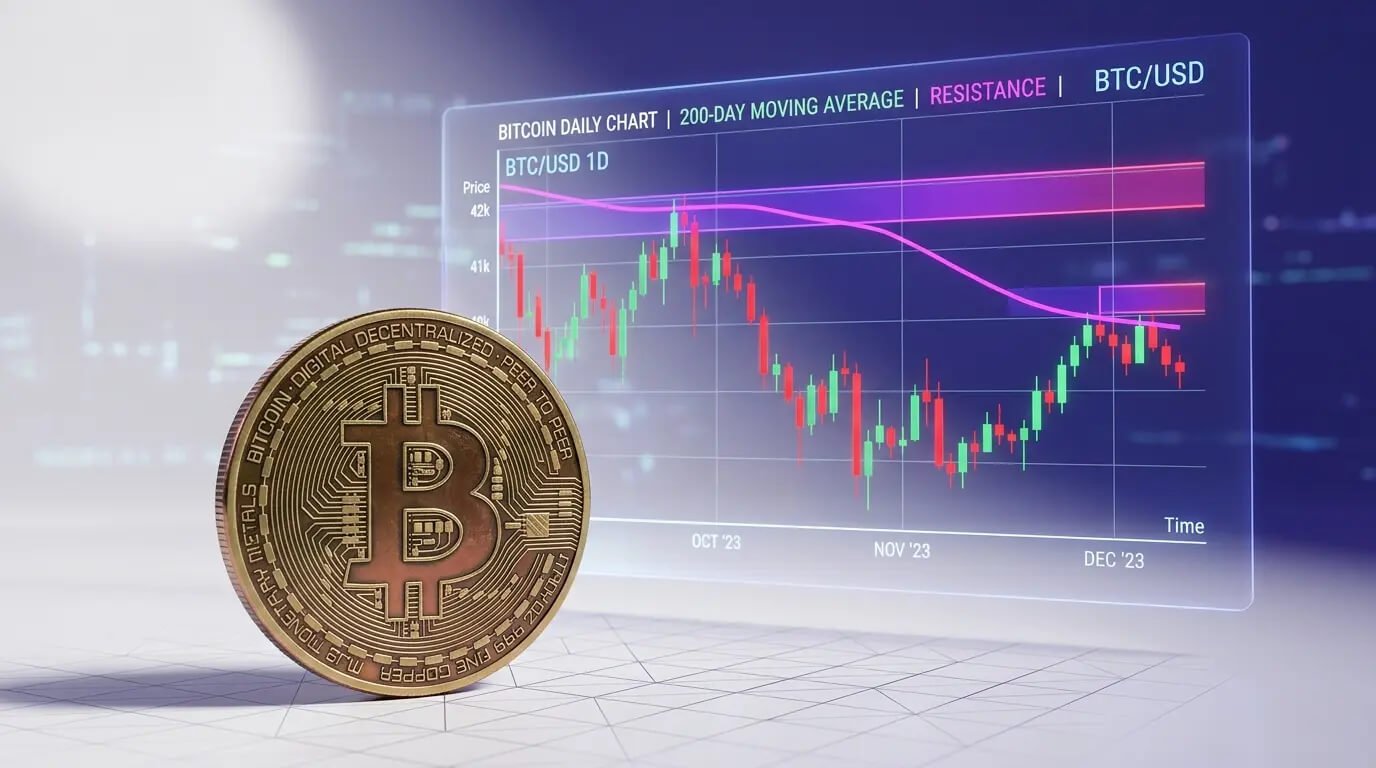
Investor sentiment shapes crypto price moves by influencing demand, supply, and liquidity, but its role is probabilistic rather than deterministic. Mood can widen participation and lift price discovery, yet gains often hinge on accompanying fundamentals and macro context. Analysts track sentiment as a variable, not a driver, corroborating signals with price action, volume, and on-chain activity. Narrative momentum matters, but regime-tested indicators help separate genuine shifts from noise. The next step is to examine which indicators prove reliable under stress.
What Is Investor Sentiment in Crypto?
Investor sentiment in crypto refers to the collective mood and expectations of market participants toward digital assets, as reflected in price movements, trading volumes, and on-chain activity.
The construct blends crypto psychology with observable indicators to gauge market mood.
Analysts treat sentiment as a variable, not a driver, applying skepticism about causality while highlighting correlations, cycles, and potential biases affecting decision-making.
See How Mood Shapes Demand, Supply, and Liquidity
Mood can directly influence market mechanisms by shaping demand, supply, and liquidity in crypto markets.
The analysis treats mood as a variable affecting order flow and price discovery, not a mystical force.
Crypto psychology frames how beliefs translate into trades, while narrative momentum can sustain or deflate moves.
Skeptical data interpretation helps distinguish cause from coincidence, preventing overinterpretation.
Track the Key Sentiment Indicators
Tracking sentiment indicators requires a disciplined, data-driven approach that distinguishes signal from noise. Track metrics such as volatility drivers and crowd psychology with caution, guarding against overinterpretation. Reliable indicators combine price action, volume, and breadth with sentiment surveys and social signals, then test for robustness across regimes. The goal is transparent, reproducible insight, not sensational headlines or reflexive trades.
Turn Sentiment Signals Into Trading Tactics and Risk Rules
Turning sentiment signals into actionable tactics requires translating subjective cues into explicit rules that survive market noise. The approach pairs empirical thresholds with risk limits, avoiding overfitting to fleeting narratives. Crypto psychology informs position sizing and stop placement, while market narratives shape conviction levels. Traders should test rules across regimes, seek transparency, and remain disciplined amid shifting sentiment without surrendering freedom to anecdotes.
See also: How Cryptocurrency Is Used in Everyday Life
Conclusion
Investor sentiment in crypto is a shadow cast by data rather than a daylight driver. While mood can lift demand and liquidity, objective metrics—price action, volume, and on-chain activity—often tell a different story. Juxtaposing optimism with caution reveals that narrative momentum may inflate moves, yet regime-tested indicators guard against overinterpretation. In practice, sentiment signals should inform, not dictate, risk controls and tactics. The honest conclusion: sentiment moves the market, but disciplined analysis governs execution.
